


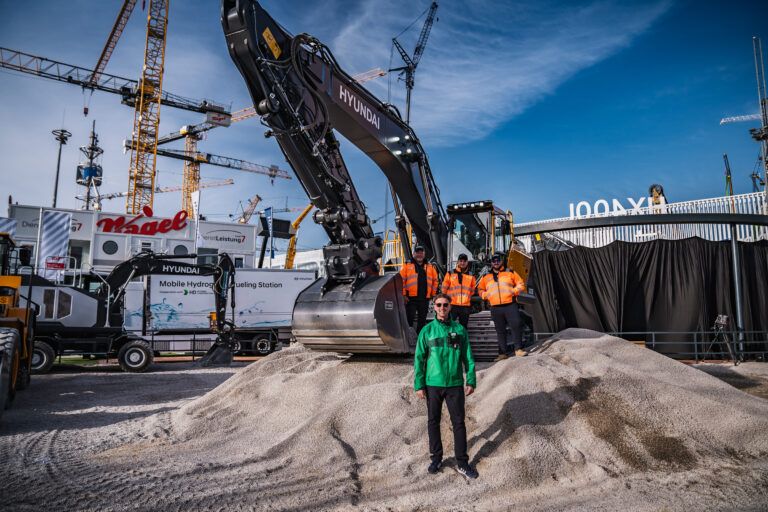
Social media influencers in the construction sector could reshape how OEMs develop machinery by offering real-time feedback from experienced voices in the field. But are manufacturers ready to embrace this digital transformation in product testing?
Research and user feedback are a crucial part of any new product introduction, however there can be a disconnect between the purchaser of the machine and the person operating it day-in and day-out. Operators matter and they want to know that the manufacturer cares about them, values their opinion and considers them just as necessary as the person signing the cheque for the machine.
“During my 12 years in construction marketing, I’ve learnt that if you put a new machine in front of operators, they point out the same flaws,” explains Dan Smith, founder of Driven Talent, a specialist talent agency focused on construction and automotive. “If you didn’t tackle this feedback early enough to fix it, and for those improvements to make it onto the final production-ready machine, you’d immediately hear about it like a broken record on social media.”
Smith wondered if previewing a new product on social media before it was fully ready for launch could be a useful process. “It’s a risk for the OEM,” he admits, “But done cleverly you collect fast, cost-effective customer feedback in huge volumes.”
Smith believes this is where influencers can come in – to bridge the gap between product design and the end user. Unlike other industries that utilise influencer marketing, construction content creators are actually on job sites, operating machines and working across the trades. With real experience comes fully formed opinions and a loyal social media following that has organically grown over the years. “These are the exact people that manufacturers should be designing their kit for,” says Smith.
Real operators, real feedback
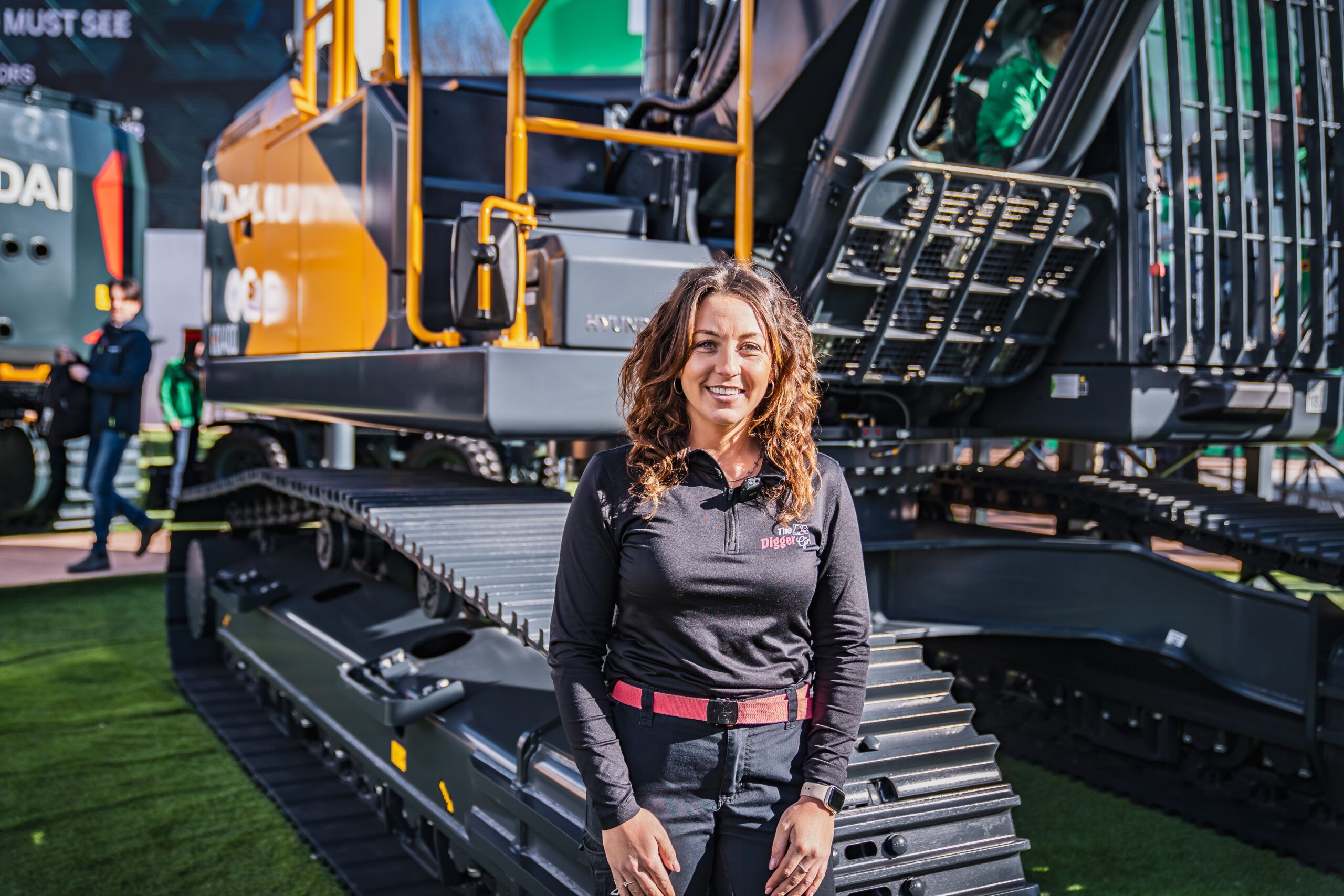
Amy Underwood, also known as The Digger Girl, is a machine operator, plant hire business owner, and the UK’s most followed female construction creator. “I’ve worked with Hyundai, amongst other leading brands, for nearly three years,” she says. “I’ve had the opportunity to test many of its prototype machines. Some I can’t yet talk about. They always ask me what the machine feels like and how they could improve it. They care.”
Underwood explains that this is especially true of Hyundai’s zeroemission kit, like the electric mini digger. “I first operated that machine as a prototype in early 2023, and I have since tried three different variants, the most recent being the final production-ready model at Bauma. This machine has come on in leaps and bounds. Each time I’ve been in the seat, I’ve noticed that the engineers have listened to my feedback. It’s now quieter, with less whining to help you cope with an eight-hour shift. The charging is more intuitive, the weight feels more evenly distributed for a safer and more controlled dig.”
Hyundai’s hydrogen fuel-cell wheeled excavator is another example of how the OEM took feedback and used it to hone prototype design, ensuring better visibility and less of a boxy design than early concepts. This was especially important to negate the risk of negativity towards the concept of a fuel cell-powered digger. “The latest version of the machine is a stunner. It’s more refined than the version I saw in 2022. It’s come on so far,” says Underwood.
The opinion of influencers like Underwood matters because, not only do they have their own real-world experiences of operating machines, they are also able to quickly canvas opinion from their thousands of social media followers in the industry.
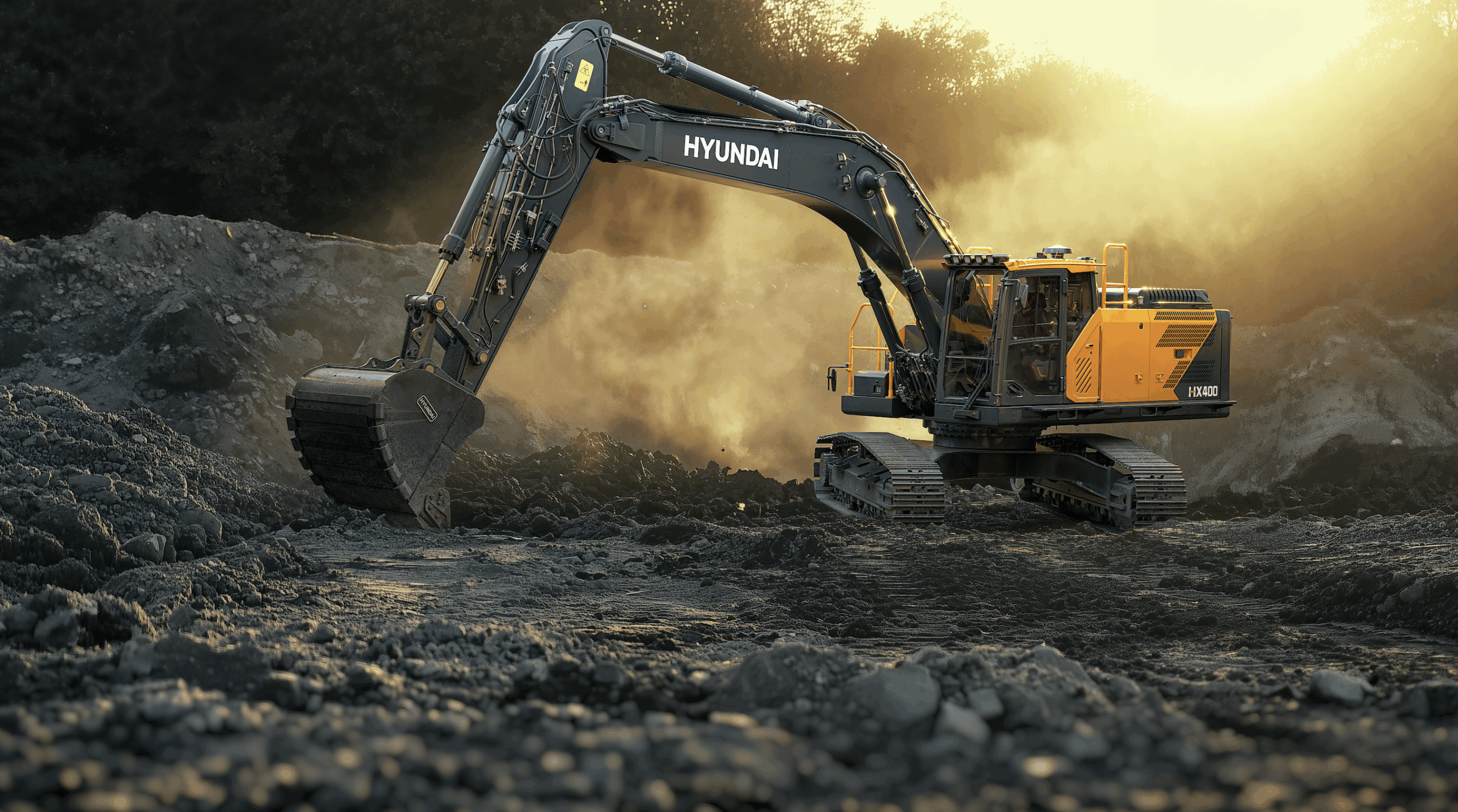
Hyundai was a first mover in the construction influencer marketing space, says Lee Appleby, head of marketing for HD Hyundai Construction Equipment Europe. “We identified the need to engage with operators via someone already trusted in their circles,” he explains. “Whilst we still focus on building Hyundai’s following, there’s no denying that it’s effective to work with someone who has established trust and engagement with the audience we want to speak to. Especially when that creator has shown that they are knowledgeable, working on site daily and sharing realworld experiences. We want these people shouting from the rooftops about our machines.”
With its 38-tonne HX400 crawler excavator Hyundai approached established operators with social media followings about the machines six months before they were made public. “There’s no value in feedback when you’re on the stand at Bauma trying to take deposits,” says Appleby. “Product design changes take time, and we make our best efforts to deliver first time.”
Bridging the design gap
Hyundai will soon hold a day dedicated to European construction influencers to test the latest generation of tracked excavators. Smith says other OEMs do the same and suggests taking a step further. “OEMs could host ‘Design Feedback Days’. Invite the right influencers along, line up products and variants to test. Broadcast to their audiences and allow followers to provide their input via polls and Q&As. It’s instant quantitative and qualitative research.”
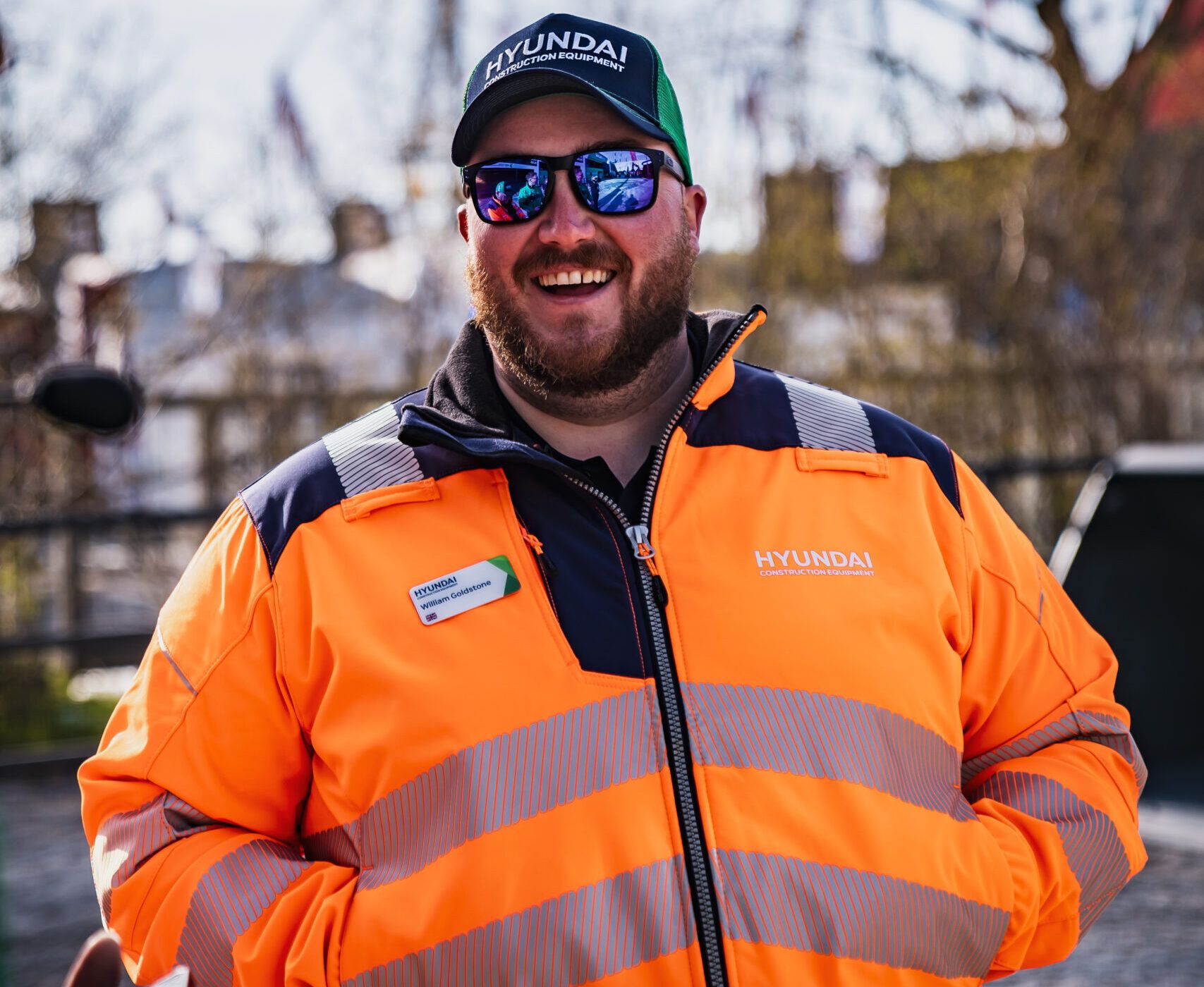
This two-way dialogue has the potential to help people buy into a brand–a mission to collectively design an ergonomic machine that’s productive and enjoyable to use. If the end-user has bought into a product before launch, hasn’t half the marketing job been done? Another industry influencer, Will Godstone, on Instagram as goldenearthworks, talks about excavators every day on social media, but he also listens. “The amount of first-hand stories and feedback I have been exposed to, alongside my own experiences, means I can add real value to an OEM,” he says.
“Within 24 hours of me posting a question on my Instagram stories, I can have over 1,000 replies. All of these, as of a partnership with an OEM, could be fed back instantly to a design or engineering team”
– Amy Underwood, also known as Digger Girl
Goldstone was flown to Hyundai’s R&D centre in South Korea to try the new machines out and give his honest views when there was still time to adapt the design ahead of launch. Goldstone and the Hyundai engineers fine-tuned the hydraulics and operating environment for a week. Goldstone was the voice of the European operator, and a US-based operator covered the American point of view. By day five, it was the perfect machine. Talking specifics, he said, “It was genuinely hard to find too many negatives about the operation and look of the machines. One thing I did pick up on was the plastics in the cab that I thought didn’t look up to par with the machine quality. There was also a grab handle on the entry of the machine I thought didn’t look strong enough. By the time Bauma came round, they’d resolved those issues.”
“We asked Will to share some questions with his audience to get feedback on our ideas,” says Ben Gorton, product manager for HD Hyundai Construction Equipment Europe. “The speed and quality of feedback we received helped validate our direction faster than internal testing alone. Having been involved in many machine development programmes during my career, I’ve been a keen follower of social media groups and influential operators in construction. It’s so important to have your finger on the pulse, collating and sharing real-world feedback can inform the next generation of machines. Our company embraces this at a senior level.”
“The amount of first-hand stories and feedback I have been exposed to, alongside my own experiences, means I can add real value to an OEM”
– Will Godstone
What excites Underwood about manufacturers looking to use creators for feedback is the rate of response from social media. “Within 24 hours of me posting a question on my Instagram Stories, I can have over 1,000 replies. All of these, as part of a partnership with an OEM, could be fed back instantly to a design or engineering team.
“I could post a quick review of a concept cab, take feedback on board, and the OEM could rapid-print some new parts. We repeat the same video and generate new ideas to perfect a design.”
Untapped potential
Underwood believes manufacturers are just scratching the surface of what’s possible regarding using social media audiences to inform machine design of the future. “I’ve seen a few of these concept machines lately that I look at and think ‘Who actually asked for this?’ A lot of my audience agree. Wouldn’t it be great if we could share some of this insight with OEMs before they are seven-figures deep into development costs?”
Smith echoes this by outlining how manufacturers can stop watching from the sidelines and get involved. “We work with brands to help them find the best creator to work with, based on the demographic match whether that’s by age, location or other factors. And then we co-construct what that project will look like, from the content filmed to the questions asked. We then collate all the responses and present them in | a way a company wants to see them. Instagram’s poll and question features are undoubtedly the most underutilised for those OEMs looking to get quick feedback from a relevant audience. And we can turn around a research project in a matter of days.”
In a world where everyone is shouting for attention, real influence comes from trust. Construction influencers earn that trust on site. Perhaps now we’re in an era where brands trust them to translate it into smarter design decisions.
This article first appeared in the August issue of iVT