

With configurable architecture and PLd-capable design, the WM-G75 from Curtiss-Wright addresses pedal feel, durability and integration as off-highway controls go electronic
As off-highway OEMs continue transitioning from hydraulic to electronic control systems, the selection of operator input devices has become more critical to overall machine performance and operator experience. Rocker pedals must balance consistent feel, durability in harsh environments, and integration within increasingly constrained cab designs. Solutions such as Curtiss-Wright’s WM-G75 modular rocker pedal reflect how these requirements are being addressed through a combination of tailored damping characteristics, a configurable product architecture, a field proven electronics platform, and a PLd capable design.
Maintaining consistent pedal feel across varying temperatures and operating conditions remains a core challenge in damped operator interface design. Traditional hydraulic or mechanically damped systems can exhibit variability over time or across environments. The WM-G75 addresses this through a patented mechanism using air as the damping medium to deliver a controlled return to neutral response. This approach provides stable performance across the full operating temperature range, with damping rates and pedal forces defined in collaboration with the OEM to align with specific machine dynamics and operator expectations.
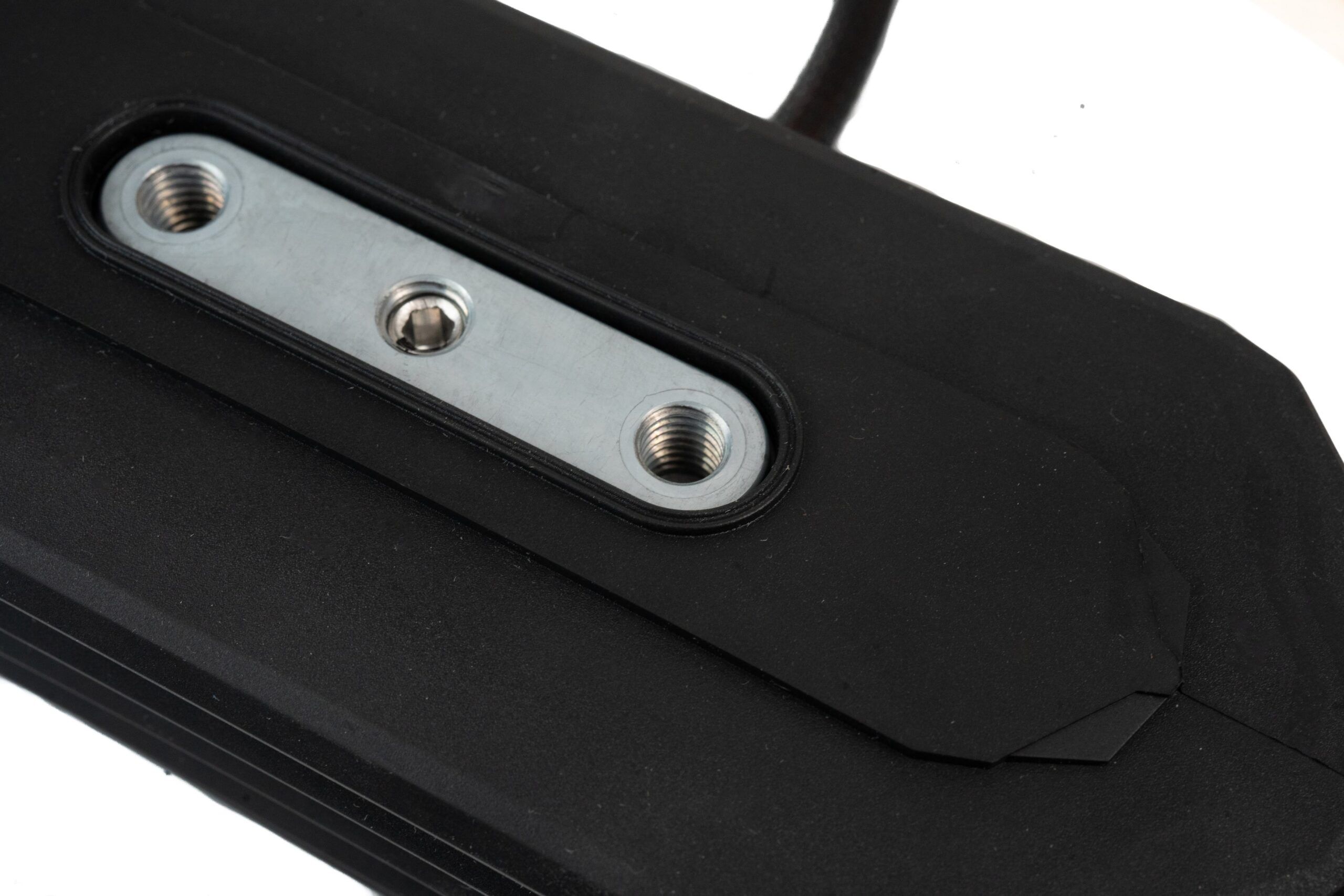
This approach reflects a broader shift toward configurable platform architectures. Rather than designing application specific pedals from the ground up, OEMs are increasingly adopting modular solutions that can be adapted across multiple machine platforms. The WM-G75 supports this approach through a configurable core mechanism that can be supplied as a standalone unit or integrated with customer specific treadles, cab floors, or hand-operated controls. Pedal rotation can be adjusted within a ±9 to ±12 degree range, enabling alignment with different ergonomic and functional requirements while reducing development complexity.
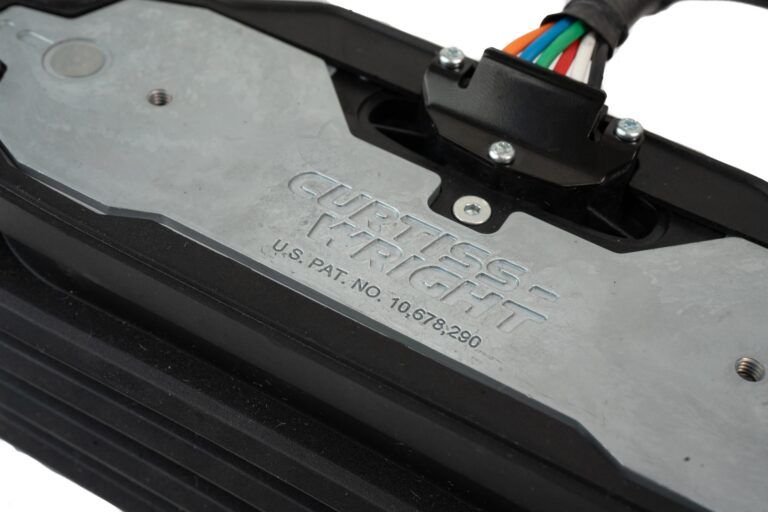
Packaging and integration constraints also play a significant role in pedal selection. Modern cab environments often limit available space while increasing the need to protect electrical interfaces from the environment. The WM-G75 is designed as a compact, above floor solution with a narrow profile and low pivot point, minimizing floor penetration and simplifying installation. By keeping the entire mechanism above the cab floor, the design eliminates underfloor intrusion, preserving space for hydraulic lines and other subsystems. This enables OEMs to integrate the pedal with fewer engineering tradeoffs during platform transitions.
Electronic control systems place increasing demands on sensor performance and system compatibility. The WM-G75incorporates redundant Hall-effect sensors based on Curtiss-Wright’s WM-830 platform, with output options including dual APS/APS-IVS analog signals, dual PWM, and CAN J1939. This flexibility supports a range of control system designs and enables standardization across platforms, while commonality with existing WM-830 implementations can help OEMs streamline validation when deploying the pedal across multiple machines. The WM-G75 is ISO 13849 PLd capable, supporting functional safety requirements that are becoming more prevalent across global off-highway markets.
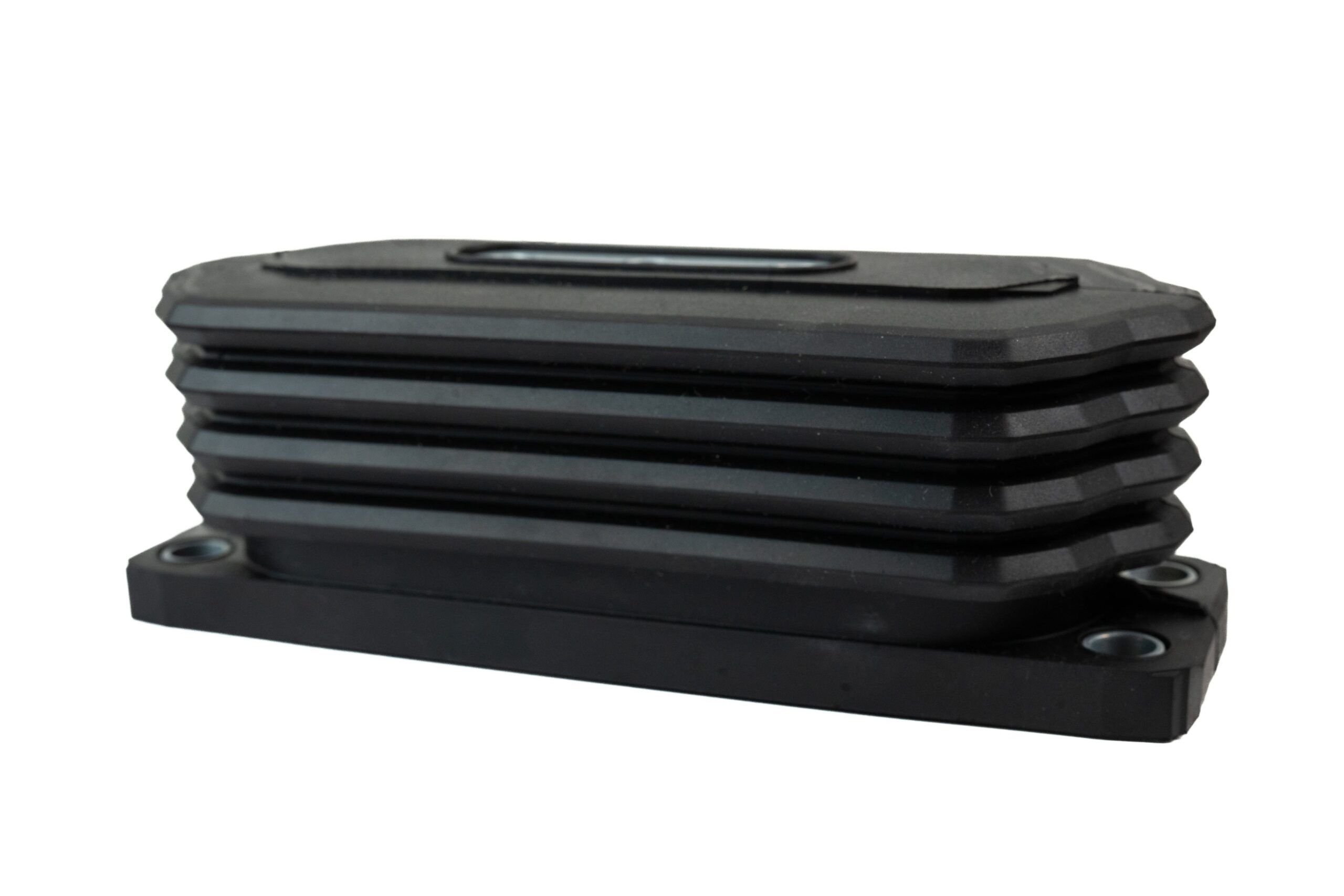
Durability is a fundamental requirement for components operating across off-highway equipment. These applications demand a robust design capable of maintaining performance in demanding operating conditions. Both the mechanism and the electronics are fully sealed in the WM-G75, with an external boot sealing the mechanism and the electronics housed in a separate enclosure, isolated from mechanical elements. The sensor is rated to IP69K and IP68S, with IP68S validated for extended submersion beyond 1m for up to 4 hours, providing resistance to water ingress and high-pressure cleaning. The pedal has been validated for off-highway use and is rated for at least 3 million full-stroke cycles.
Addressing the transition from hydraulic to electronic control systems for operator inputs requires solutions that maintain consistent feel while meeting increasing demands for durability, configurability, and integration. Rocker pedals must deliver precise control, withstand demanding operating conditions, and integrate within constrained cab environments without introducing additional engineering tradeoffs. Leveraging experience in operator controls, combined with an understanding of evolving OEM requirements and modern design approaches, Curtiss-Wright has developed the WM-G75 as a platform designed to support these needs across a range of off-highway applications.
We’re committed to delivering best-in-class pedal solutions for off-highway applications, designed with functional safety in mind and engineered to meet the highest standards of performance and reliability.
Discover more about the WM-G75 Rocker Pedal: WM G75 Dampened Rocker Pedal | Industrial | Curtiss-Wright