

Incrementally building trust is critical as farmers adopt automated and autonomous technologies, says Lisa Jackson, VP, UX and design, CNH Industrial
When you talk to a farmer about technology, the conversation often meets some hesitation. Some common sentiments I have heard include, “How do I know it’ll work consistently?” “I don’t need it — it’s too complicated,” and “I can see the value, I just can’t justify the cost or time it will take to train my operators.” However, as they face increasing pressure to produce more with less available resources, it is inevitable they will need to adapt. In agriculture, one opportunity we have to address these concerns is to change farmer behaviour by earning trust incrementally. I believe this change happens when the pain they face today becomes greater than the perceived risk of letting something else take control.
Lessons from autosteer
We’ve seen examples before. When auto-guidance systems first entered the cab, they weren’t perfect, but they solved a real, daily pain: fatigue, overlap, and other mistakes. Farmers didn’t adopt autosteer because it was new, they adopted it because it made their operation measurably better. Today, automated guidance has become the standard practice.
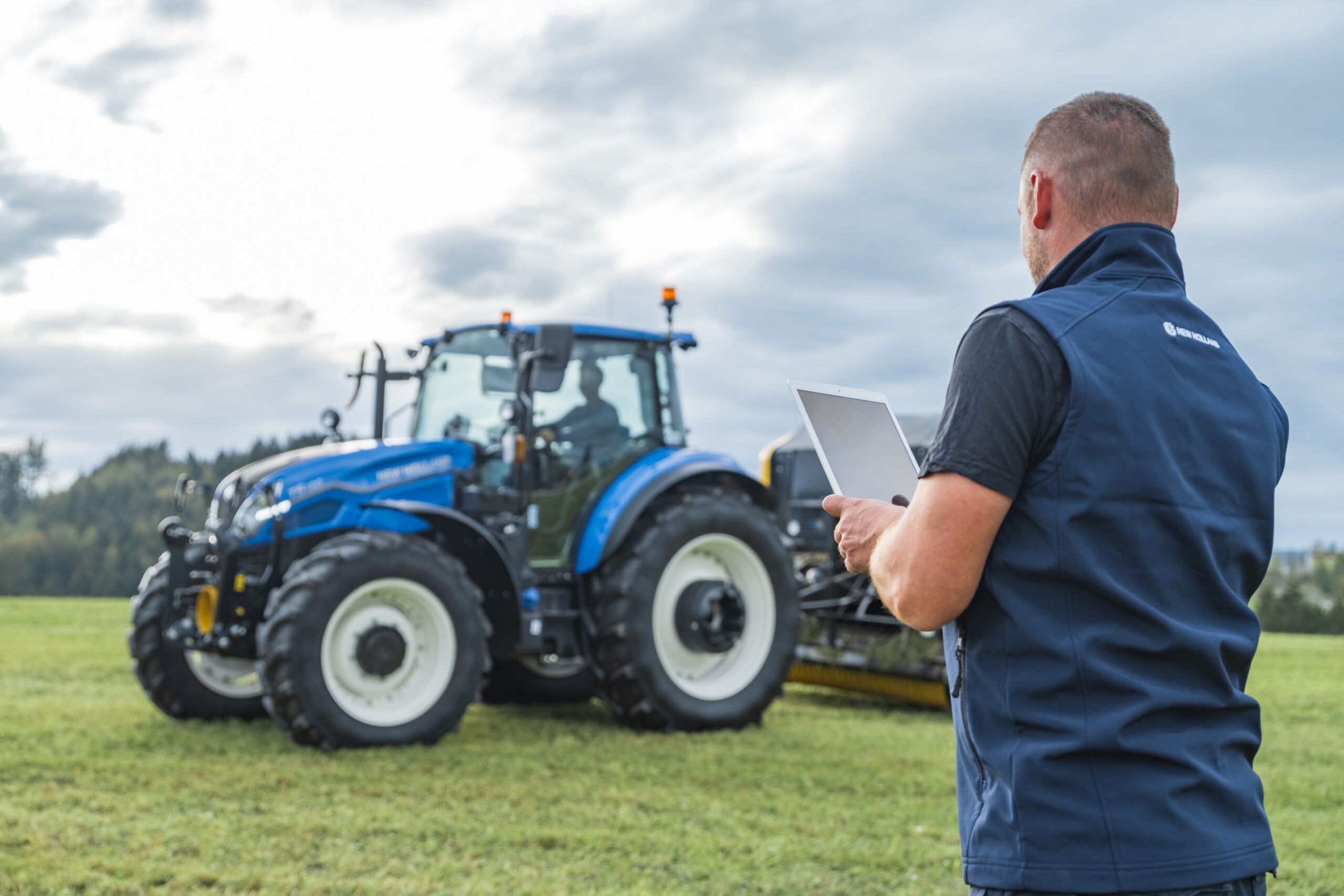
Earning trust involves a level of positive reinforcement as farmers look to improve their operations. When starting to use headland turn automation, the first step isn’t taking control; it starts with observation. The operator performs a turn sequence at the edge of the field. The system watches and then it suggests improvements. It only does the hands-free, automatic turn after it is given that responsibility.
Control without intervention
We’ve extended this pattern of incremental control across different machines and operations. For example, combine automation selects the right settings out of millions of possibilities to optimise performance. Section control systems spray product precisely where needed – turning individual nozzles on and off to avoid overlap. Each of these systems does their job without extensive operator intervention, representing steps forward – not just in capability, but in earned trust.
“Autonomy is real today, but the system-level shift won’t happen in a single breakthrough”
Following the front camera
Autonomy is real today, but the system-level shift won’t happen in a single breakthrough. Today, our teams testing CNH autonomous tractors with customers watch farmers follow their first instinct — immediately going to view the front camera to see exactly what the tractor ‘sees’. Farmers can’t completely let go; we haven’t reached that level of trust yet. But change will happen gradually in moments so small they won’t feel like transformation at all — with each step delivering more simplicity and value for the farmer.
A connected future
As perception improves, as systems become more reliable, and as AI begins to connect decisions across the operation, the rate of change will increase. Not because farmers are suddenly more willing to adopt new technology, but because they have begun to trust and accept a system that significantly improves operations.
This article first appeared in the May/June issue of iVT