

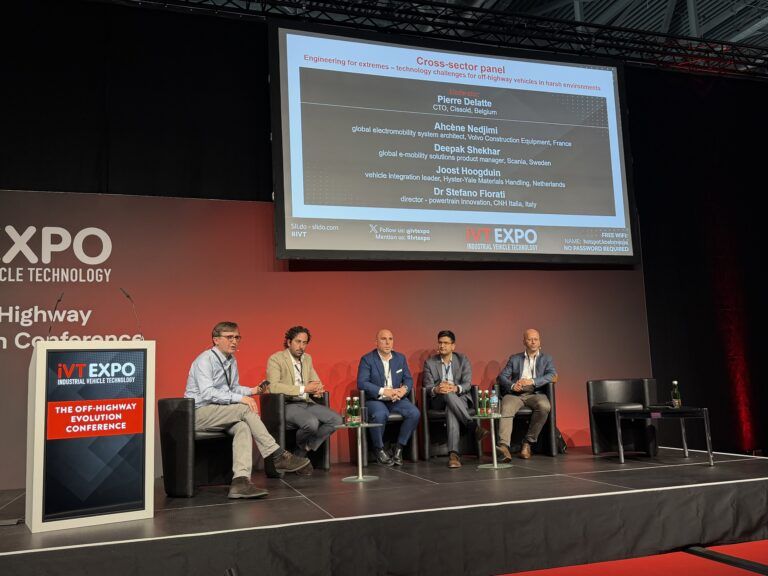
A panel session titled Engineering for Extremes – Technology Challenges for Off-Highway Vehicles in Harsh Environments took place at iVT Expo Cologne, bringing together experts across off-highway to examine the practical difficulties of electrifying off-highway machinery across diverse operating conditions.
The session featured panellists Ahcène Nedjimi, global electromobility system architect at Volvo Construction Equipment, Deepak Shekhar, global e-mobility solutions product manager at Scania, Joost Hoogduin, vehicle integration leader at Hyster-Yale Materials Handling and Dr Stefano Fiorati, director of powertrain innovation at CNH.
Fiorati opened by describing the breadth of conditions CNH’s machines must operate in — from remote agricultural environments to extreme dust and heat — as a defining challenge for electrification. Serviceability in those locations, he noted, compounds the engineering problem: getting a technician to a machine in the middle of nowhere, or deciding whether to swap out components in the field or replace the machine entirely to keep a farmer working, are questions the industry has not yet fully resolved.
Nedjimi, drawing on Volvo CE’s electrification experience, identified the charging ecosystem as one of the most pressing barriers to adoption. Battery technology alone cannot yet support a full day’s operation for many machine types, particularly on remote job sites without grid access, making charging infrastructure a critical part of the equation. “To make our clients happy, we need to come up with electric machines and have them available, but we also have to think about the entire ecosystem,” he said.
Nedjimi pointed to the need for green charging solutions to support sites without grid connections, framing it as both a technical and commercial challenge that OEMs must solve alongside the machines themselves.
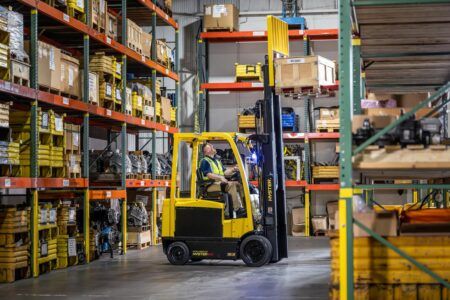
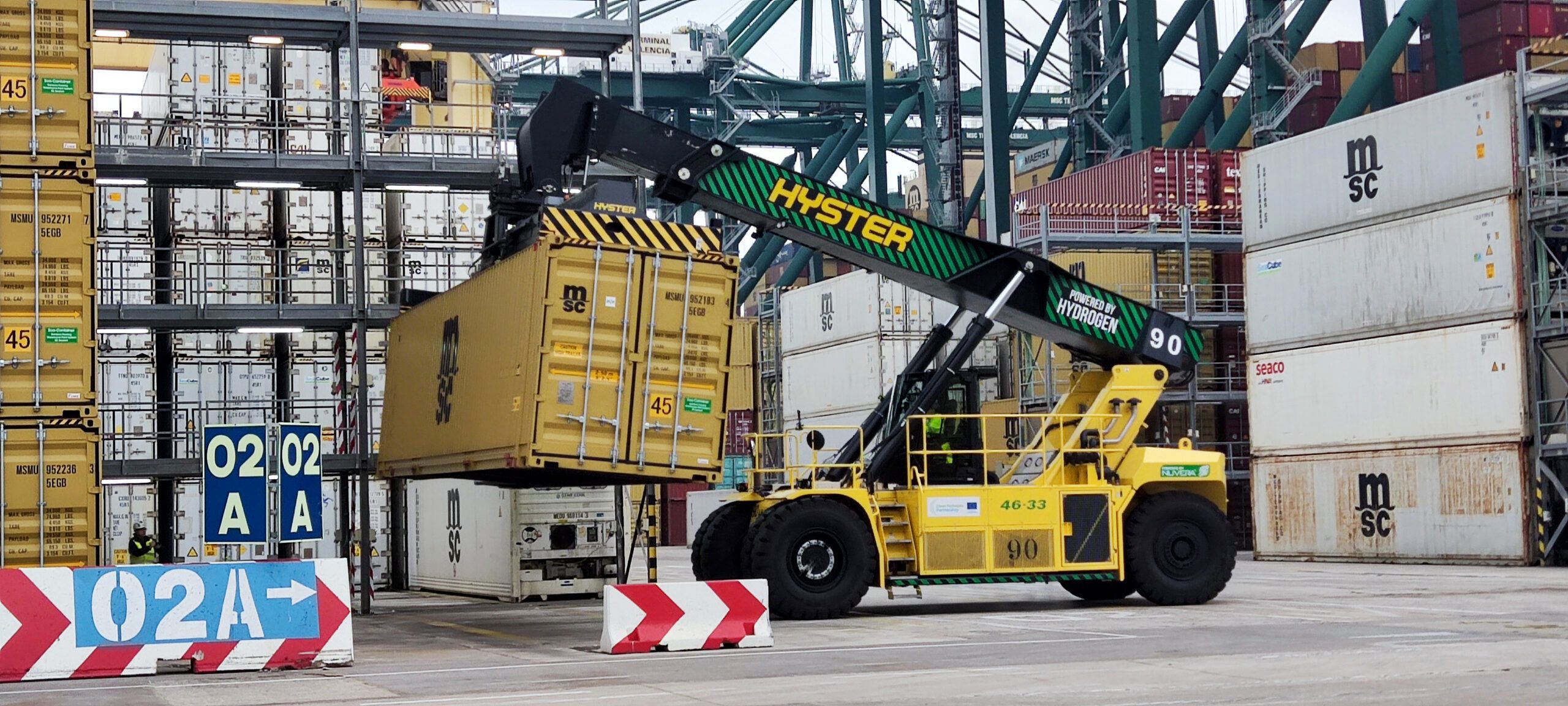
Hoogduin highlighted the supply chain disruption that electrification brings in its wake. Speaking from Hyster-Yale’s experience electrifying its range of industrial trucks — from small units up to 46-tonne reach stackers — he described the challenge of lead times for new components, parts availability for early-production vehicles, and the need to identify early where components can be shared across a range and where separate designs are unavoidable. A hydrogen fuel cell reach stacker was cited as an example of where battery energy alone cannot meet customer duty cycle requirements, with hydrogen bridging the gap to provide full-day operational range.
Fiorati returned to the theme of requirements discipline, drawing on CNH’s hybridisation work to argue that unclear requirements at the outset lead to oversized, over-cost solutions. “Without having clear requirements at the beginning, it’s going to be difficult to size properly,” he said. “The tendency from an engineering point of view is to oversize, and then you discover afterwards that you may have done so — with an increase of cost.” Thermal management was identified as a particular pain point for hybridisation, with the need to package additional cooling capacity within existing vehicle wheelbases creating significant design constraints.
On safety and certification, the panel explored how high-voltage systems are being introduced into industries and workforces with a primarily mechanical background. Shekhar described Scania’s approach as combining its existing high-voltage technician training infrastructure — already established for its truck business — with a train-the-trainer model to build competence among customers. Hoogduin noted that global certification standards remain fragmented, with Europe and Germany in particular leading on legislative development, while the United States applies different voltages and standards. Hyster-Yale’s response has been to standardise procedures and component placement across its range so that a technician trained on one machine can work safely on another with minimal additional instruction.
Fiorati pointed to an emerging standardisation challenge specific to agricultural electrification: the interface between electric tractors and implements. Where a tractor provides high-voltage power to an implement, both the physical connector and the communication protocol must be standardised to allow equipment from different OEMs to work together safely. A standard for high-voltage tractor–implement connection has recently been agreed, he noted, while work on medium-voltage standardisation is ongoing.
Nedjimi highlighted cybersecurity as a new compliance requirement arriving alongside electrification, with the forthcoming Cyber Resilience Act adding to an already expanded certification workload that includes revised EMC requirements and high-voltage safety systems designed to prevent arcing and electrocution risk.
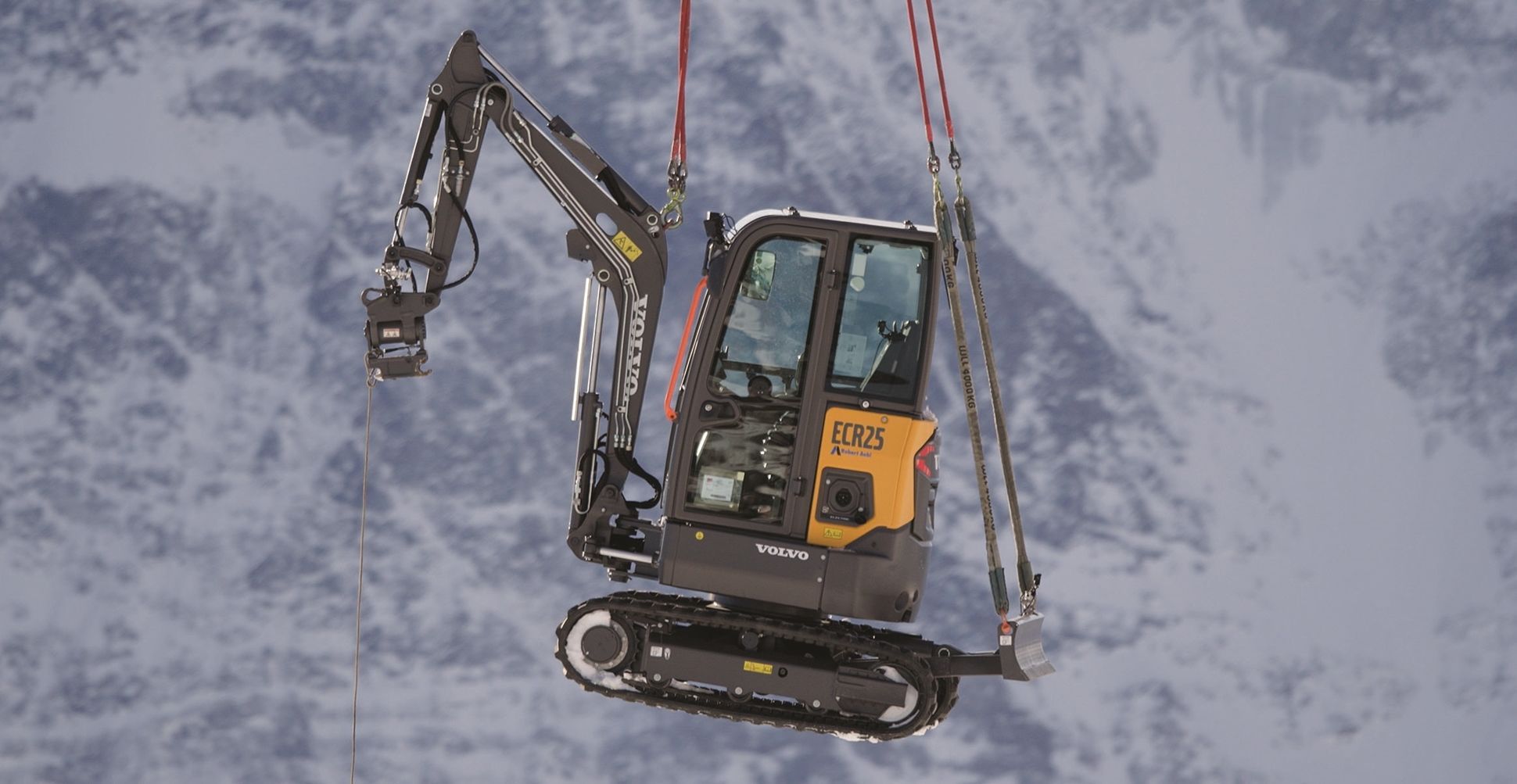
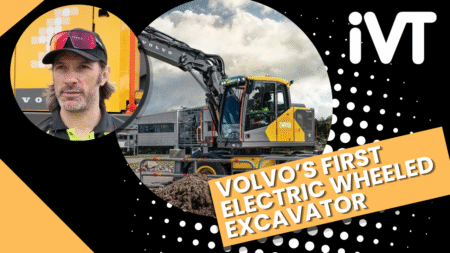
On use cases, Nedjimi described the Volvo CE ECR25 electric excavator deployed at high altitude in the Alps — a site where diesel operation was not viable — as an example of how electrification creates operational possibilities beyond its environmental benefits, while simultaneously exposing the need for components proven to perform reliably in extreme temperature and altitude conditions. Hoogduin pointed to Hyster-Yale’s know-one-know-all strategy as its most significant achievement to date: designing its electrified range so that components, layouts and service procedures are as consistent as possible across machine sizes, reducing the training burden and supporting easier maintenance in the field.