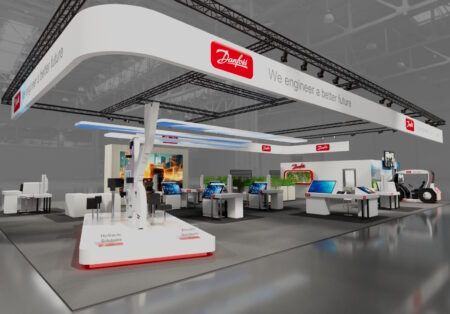


Purem by Eberspaecher is showing an expanded portfolio of hydrogen and fuel cell technologies at the Hydrogen Technology World Expo in Hamburg, running from 20 to 22 October, alongside a direct air capture concept for removing carbon dioxide from ambient air.
“We are expanding our portfolio with forward-looking technologies for hydrogen generation, transport, and storage, as well as efficiency-boosting solutions for fuel cell systems. We are also developing new approaches to reducing greenhouse gas emissions, such as Direct Air Capture,” says Avinash Mutharja, executive vice president business unit industrial products.
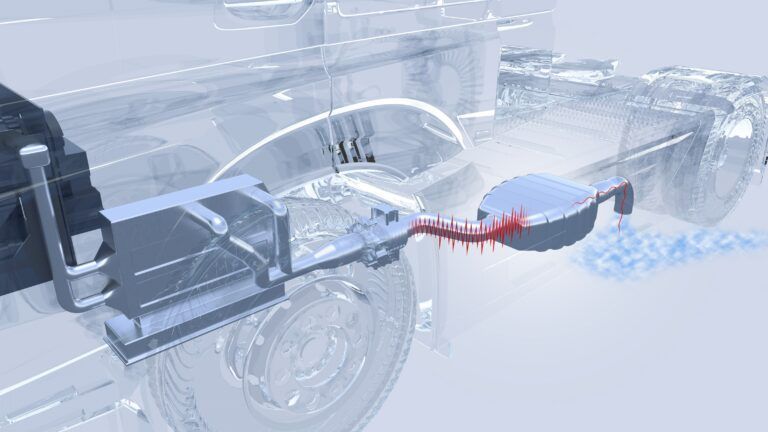
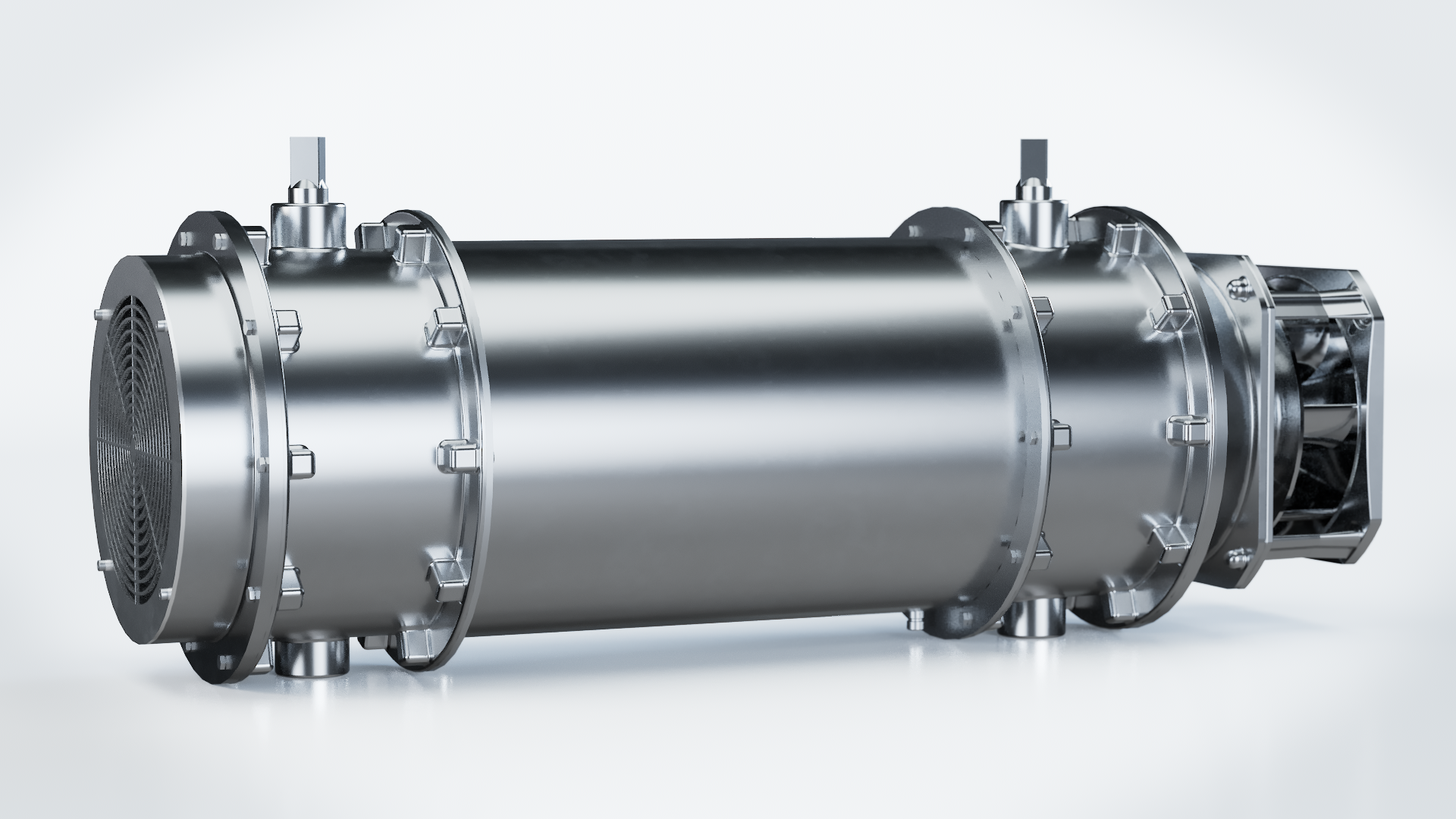
The latest addition to the portfolio is the De-Hydrator, which reduces the moisture content in the exhaust air of fuel cell systems to minimise visible steam formation and improve water separation. It joins a modular exhaust air system that also includes the Water Separator, which removes water from the cathode path, and a Silencer designed for the intake and exhaust systems of fuel cell vehicles and systems.
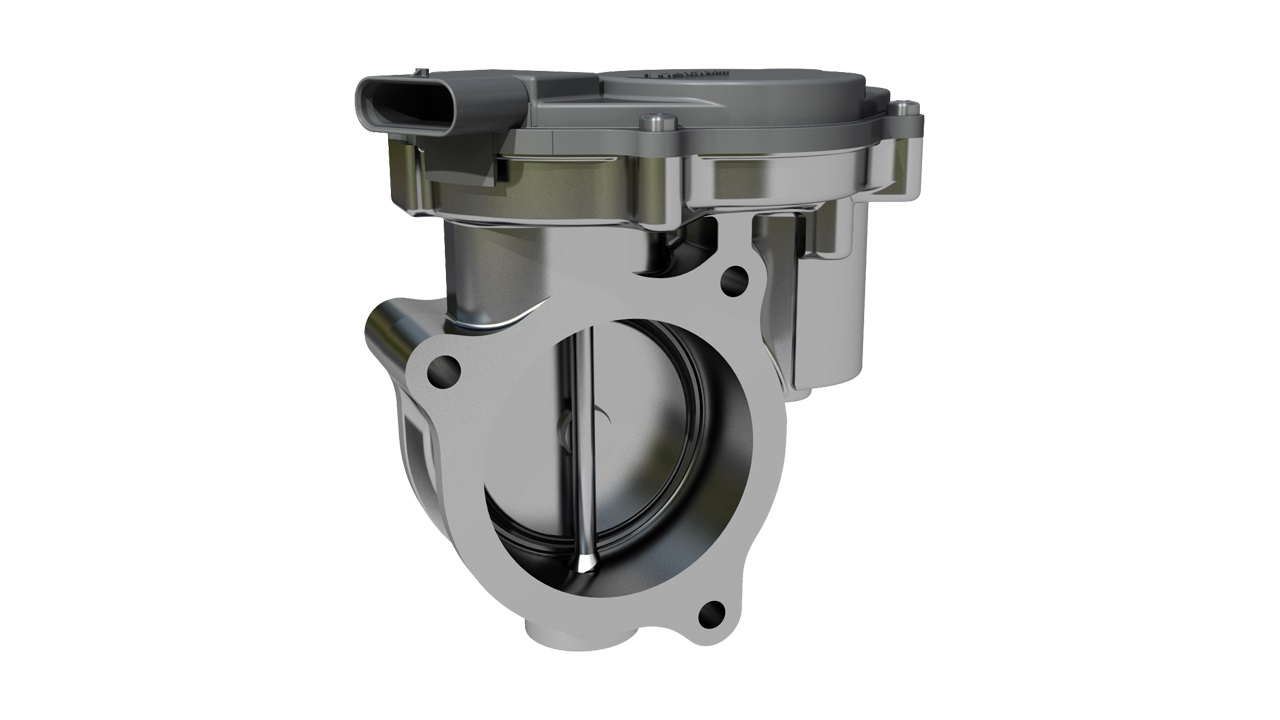
The Cathode Isolation Valve adds to the company’s balance-of-plant range. According to Purem by Eberspaecher, it hermetically seals the cathode path to protect the stack from leakage and premature ageing. The company is also showing oil-free side-channel air compressors from Eberspaecher Vairex, which it says offer optimised pressure ratios, low-vibration operation and high efficiency.
Also on show is the Hydrogen Recirculation Blower, an in-house development that returns unused gas to the supply path. Because fuel cells do not convert all of the supplied gas on the first pass, the blower continuously recirculates the unused portion, which the company says increases fuel utilisation and reduces hydrogen losses.
On the industrial side, Purem by Eberspaecher is highlighting its work in scaling hydrogen generation, to date focused primarily on high-temperature electrolysis (SOEC), and in producing pressure vessels and metallic components for hydrogen storage and handling, drawing on expertise in flow routing, high-temperature applications, welding processes and the treatment of corrosive media.
The direct air capture system removes carbon dioxide from the atmosphere to generate negative emissions. Ambient air flows through a reactor lined with solid sorption media that bind the carbon dioxide molecules; once saturated, the media is heated to release the carbon dioxide, which is collected in gaseous form and can then be stored or reused as a raw material. The company is also presenting an interactive digital dashboard that lets visitors assess the efficiency and cost of future capture plants by selecting a location and sorbent material.
Images: Purem by Eberspaecher